Middle Tennessee,
mapped by someone who walks it.
Ten markets. There are very different reasons people move to each of these areas. Here's what I know about each — the honest version, from an agent who has closed in all of them.
New here? Read my comparison of the best places to live in Middle Tennessee — Franklin vs. Spring Hill vs. Columbia on price, schools, and commute.
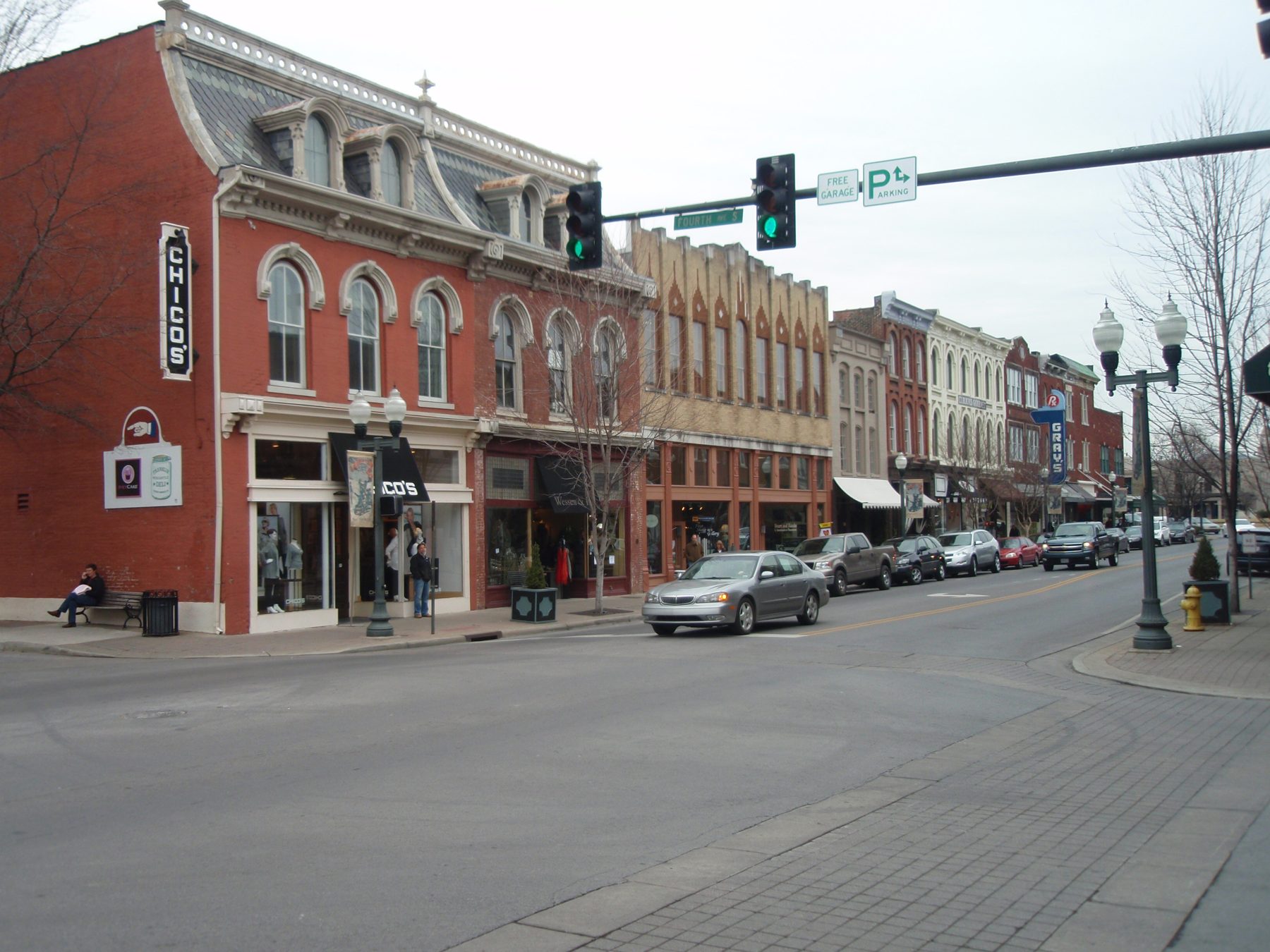
Franklin.
Where Southern history meets serious money.
Franklin is the crown of Williamson County — brick-lined Main Street, top-of-the-state schools, and an estate market that quietly moves at the highest end of Middle Tennessee.
Read the market →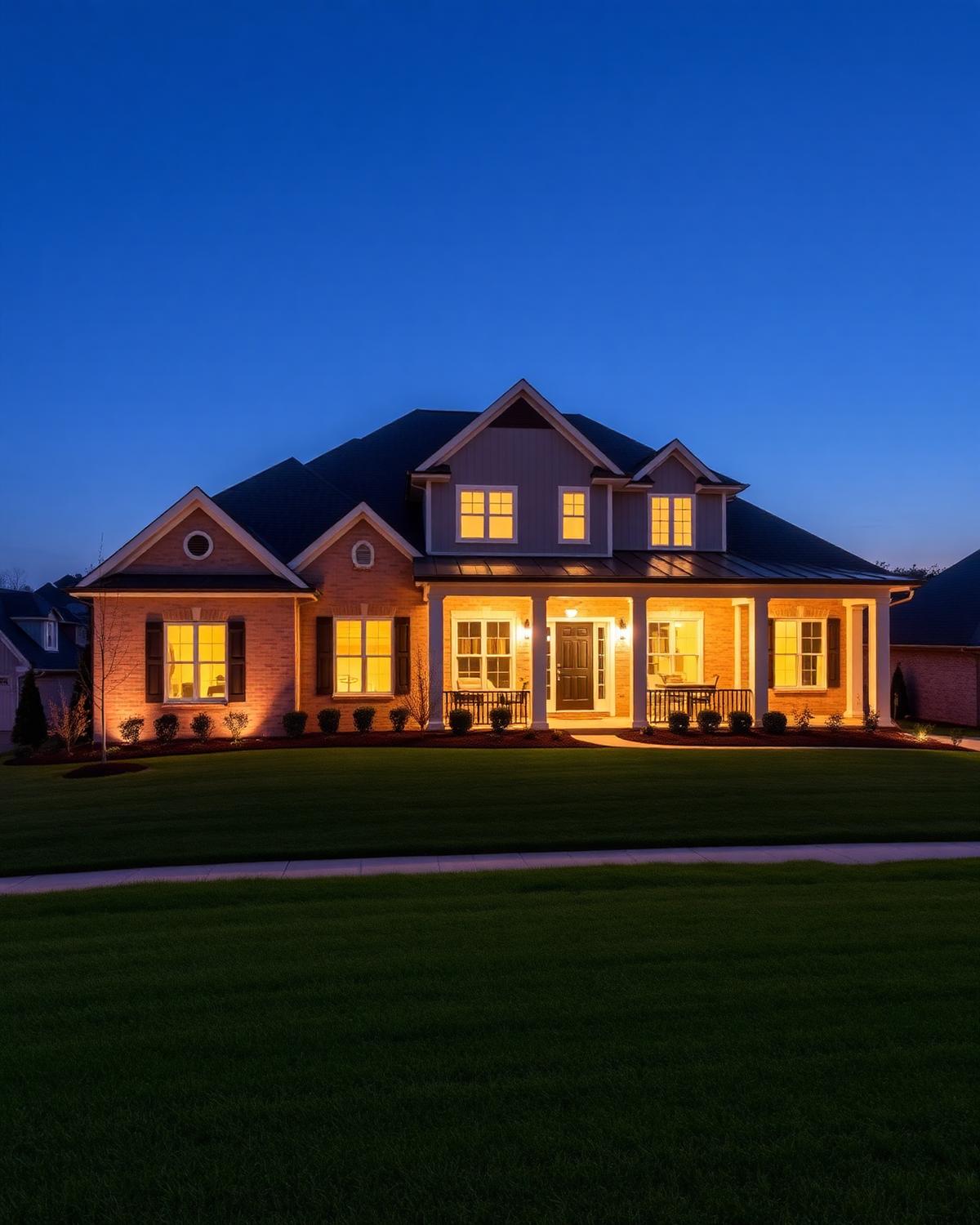
Spring Hill.
Fastest-growing town in the state, on purpose.
Spring Hill is the halfway point between Nashville and Columbia — new subdivisions, good schools, and enough new construction to fill a magazine on its own.
Read the market →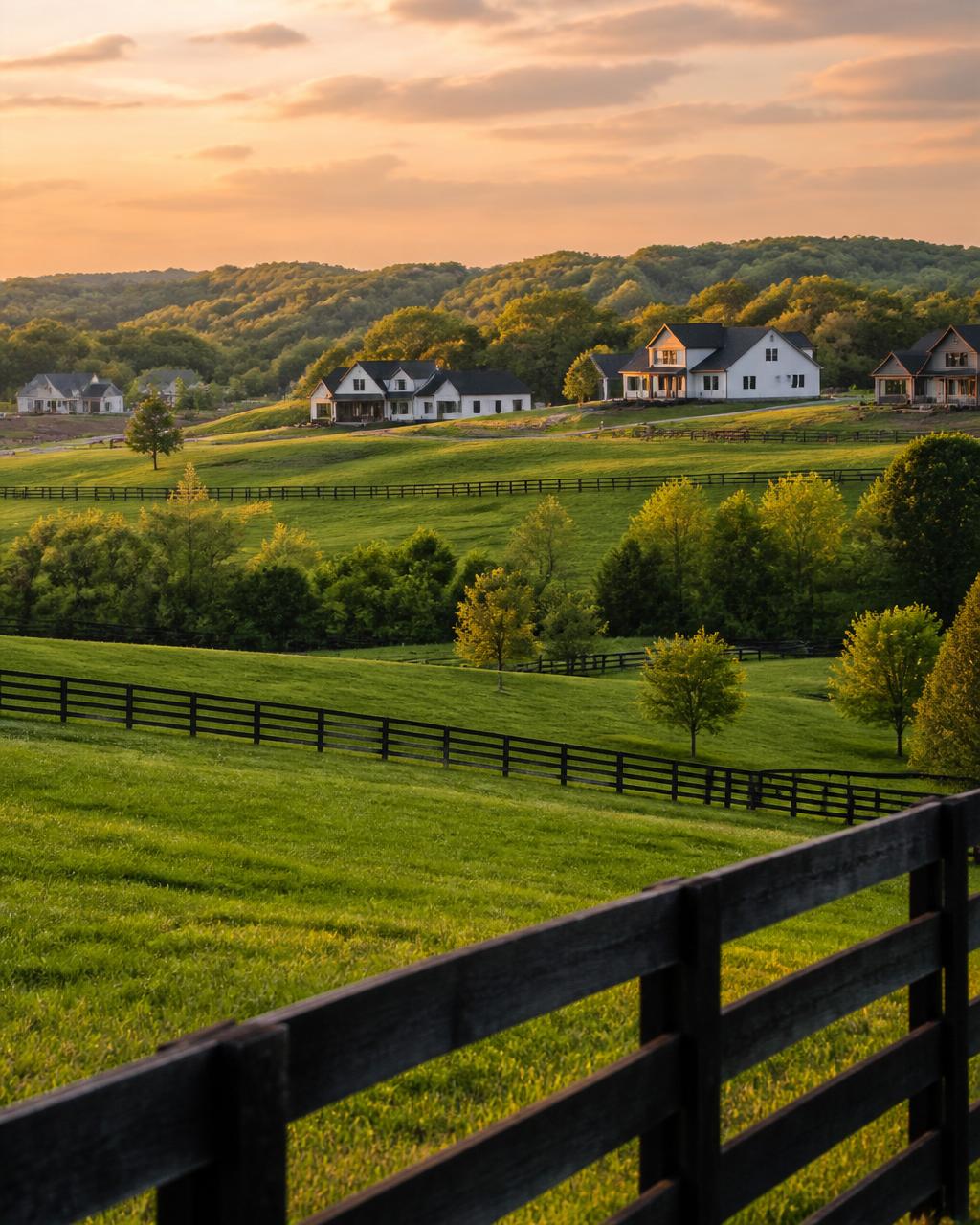
Thompson's Station.
Small-town bones with Williamson County momentum.
Thompson's Station still feels like a crossroads village, but the land underneath it is some of the most in-demand acreage south of Franklin.
Read the market →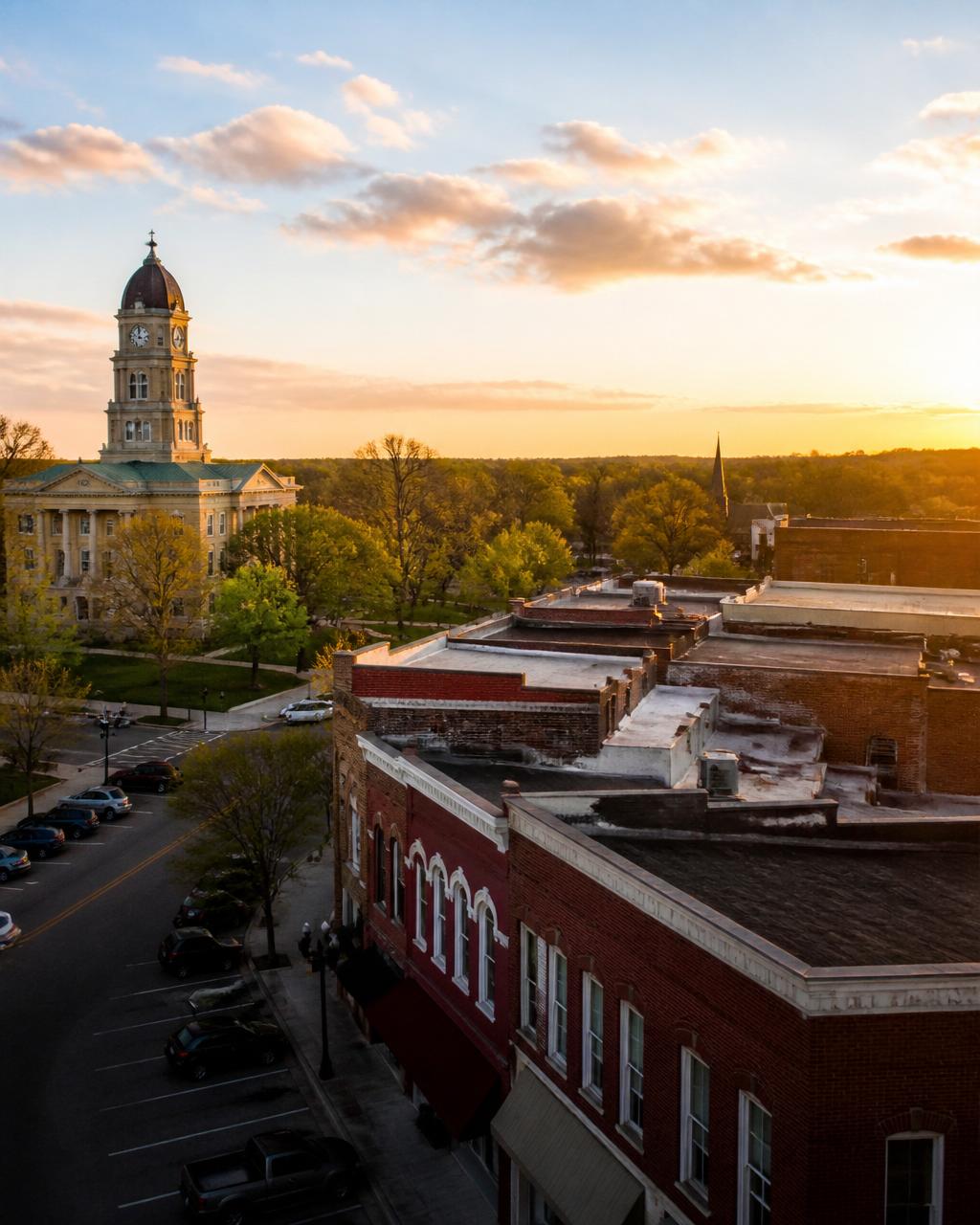
Columbia.
Antebellum charm, now moving at a new pace.
Columbia is Maury County's seat — a real city of 40,000 with a courthouse square, a riverfront, and a housing market that has quietly become one of Middle Tennessee's best value plays.
Read the market →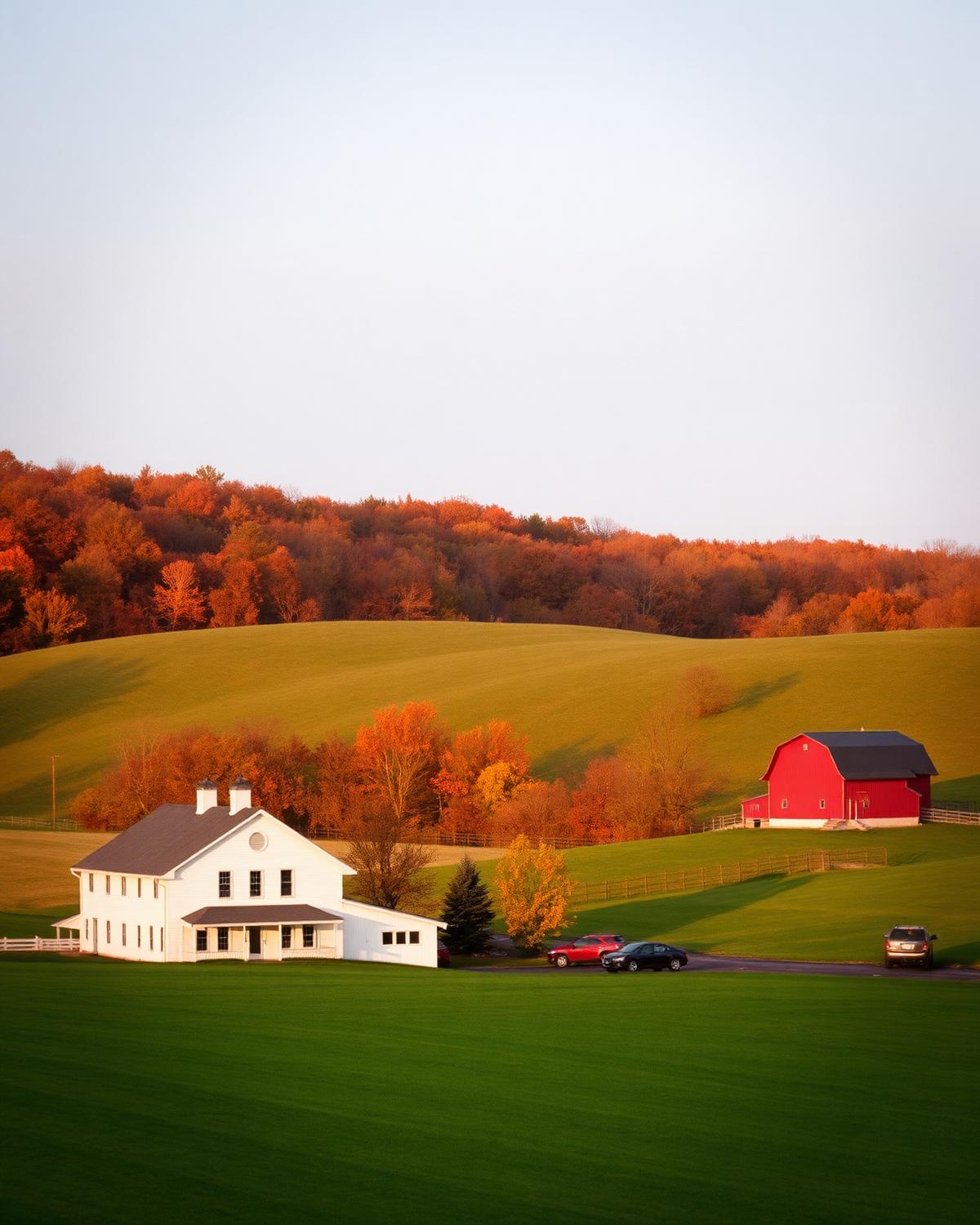
Centerville.
The heart of Hickman County.
Centerville is farm country — rolling pasture, tobacco barns turned event spaces, and family land that occasionally trades hands.
Read the market →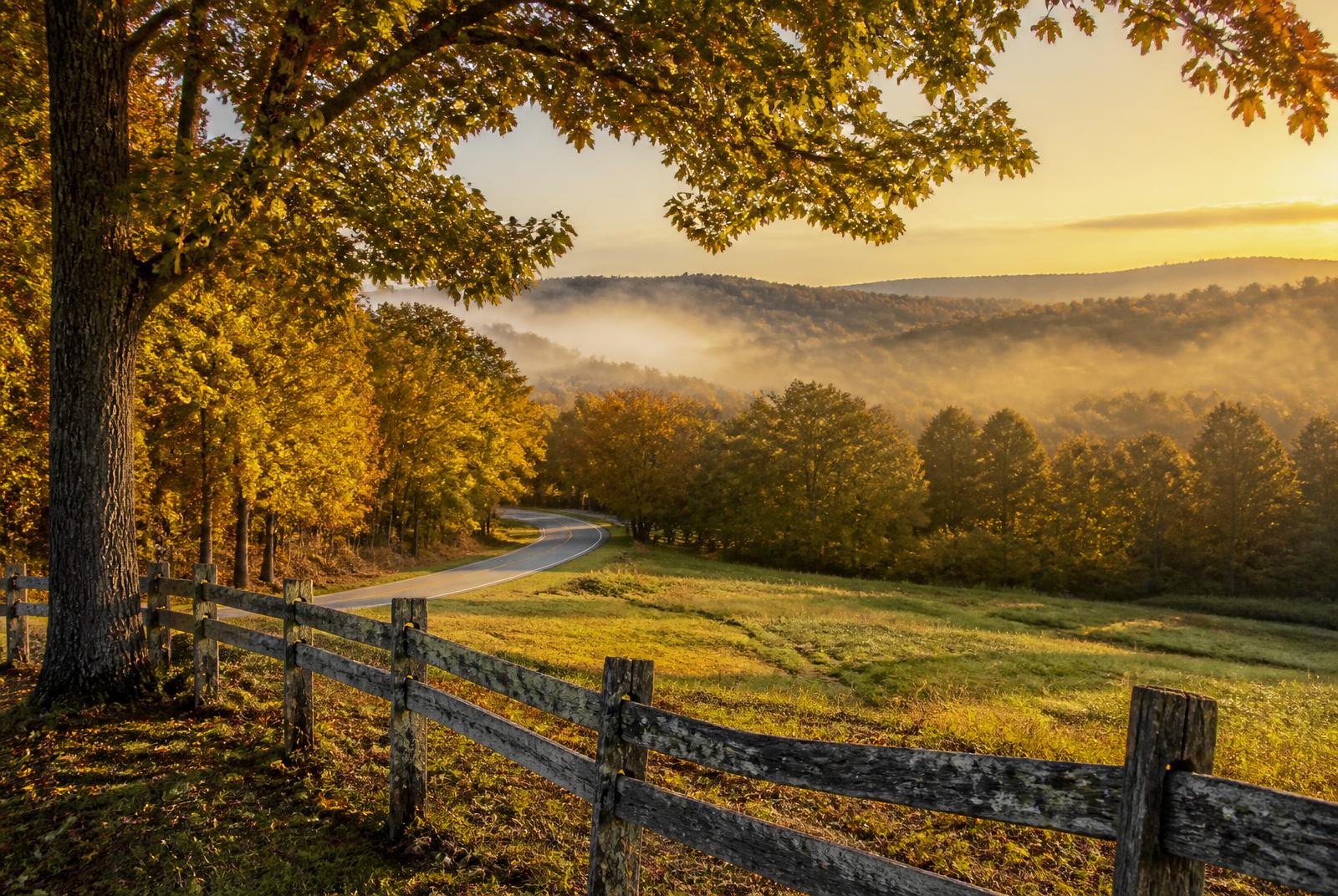
Hohenwald.
German for high forest. Lives up to the name.
Hohenwald sits on the western edge of the Highland Rim — a landscape of hardwood ridges, spring-fed hollows, and small towns that still know their neighbors.
Read the market →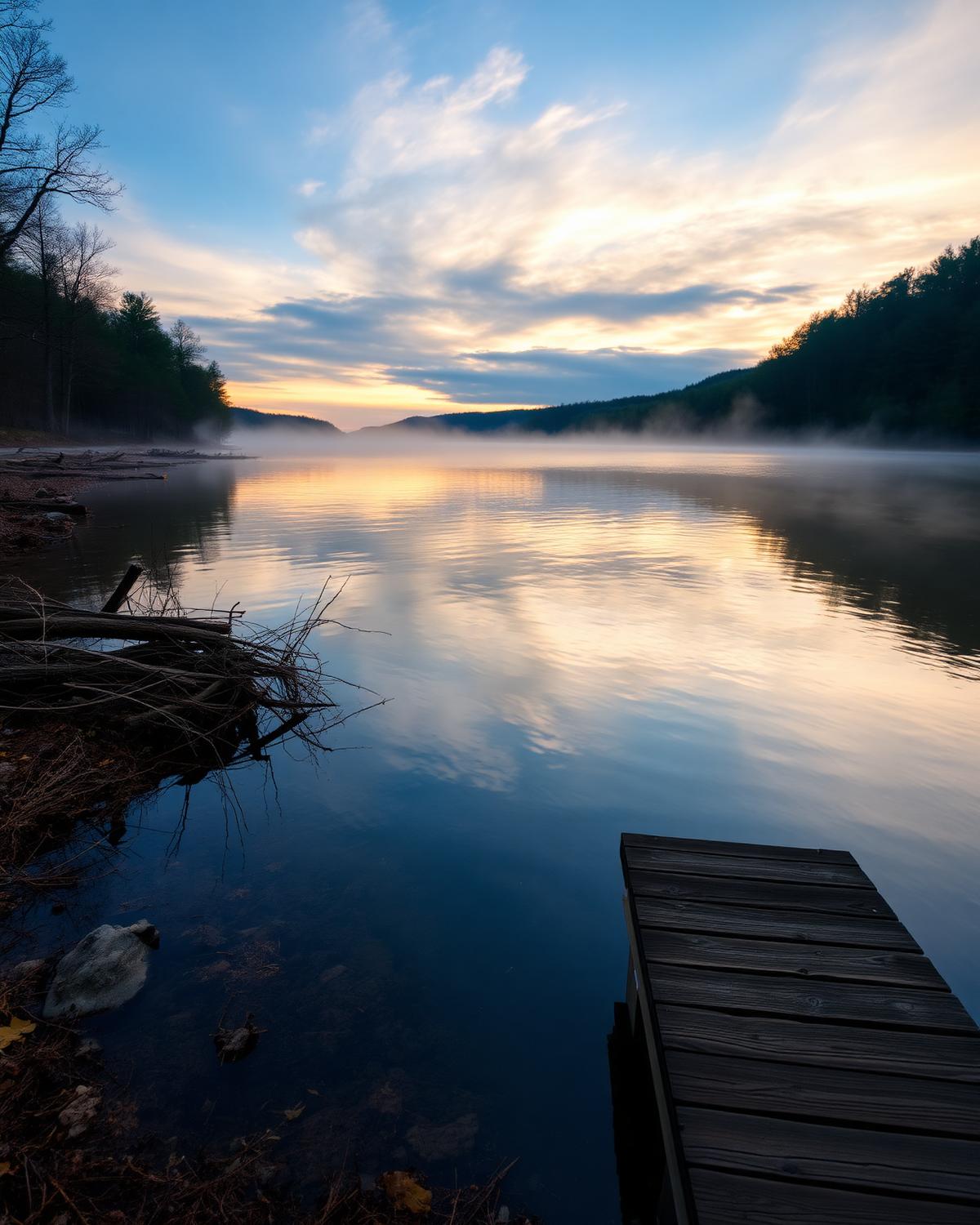
Camden.
Where the Tennessee River becomes Kentucky Lake.
Camden sits on the eastern shore of Kentucky Lake — 160,000 acres of water and the kind of coves that make weekenders into full-timers.
Read the market →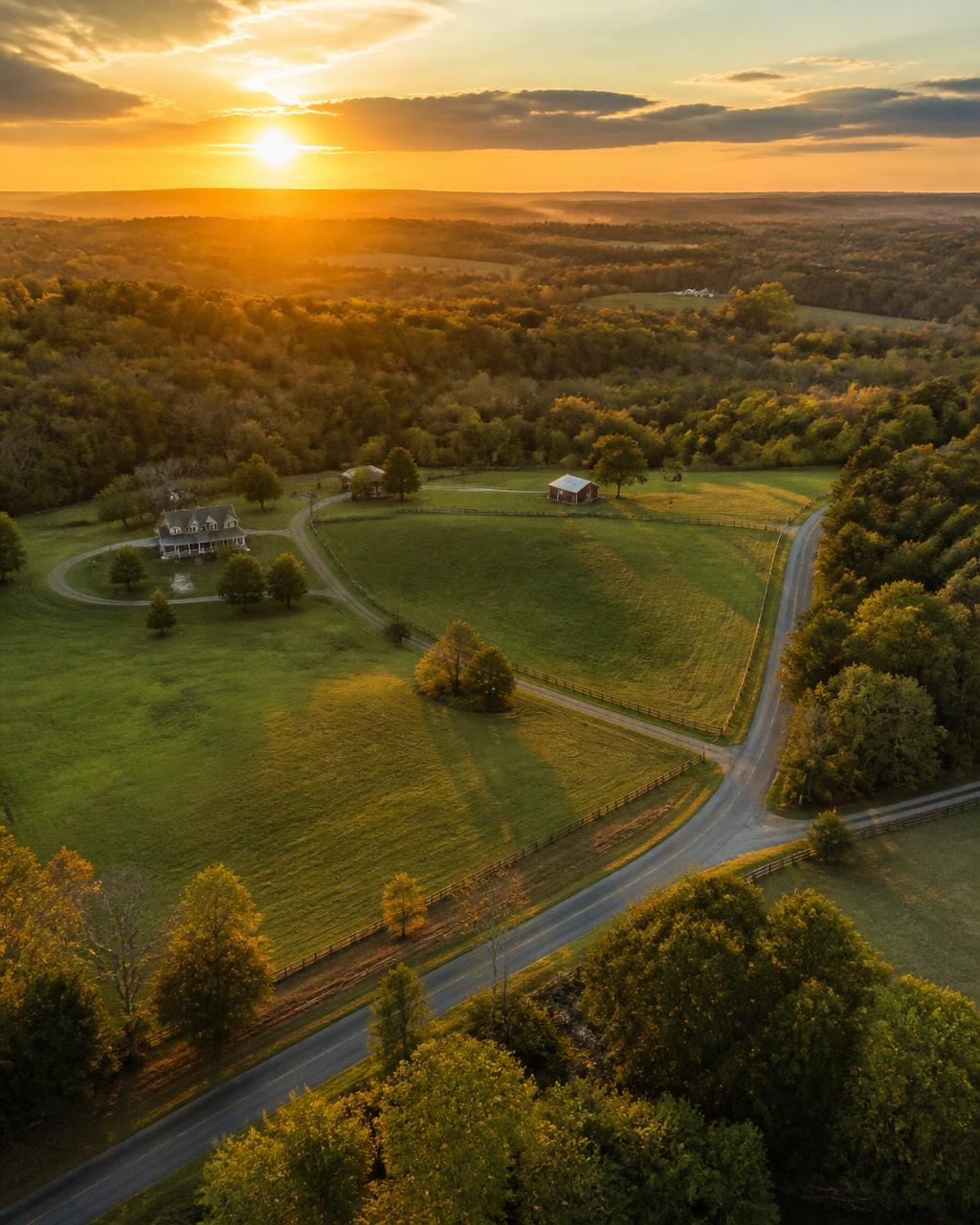
Dickson.
The halfway point between Nashville and the river.
Dickson is a county seat with a real main street, a hospital, and a location that lets you live outside the rush while still commuting to Nashville.
Read the market →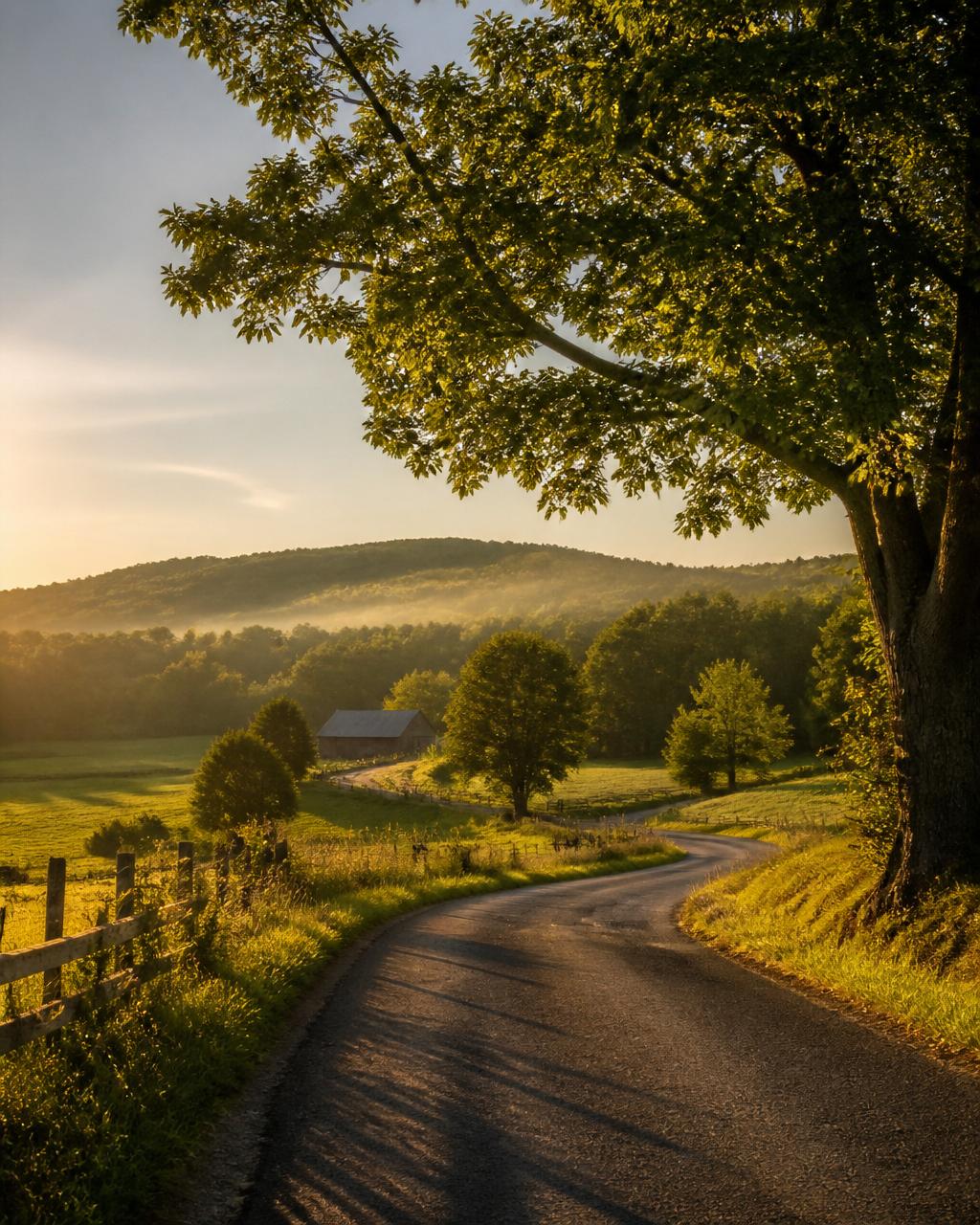
Bon Aqua.
Hickman County hills where the pace slows down.
Bon Aqua is a community, not a town — a scattering of homes, farms, and wooded ridges between Dickson and Centerville where Tennessee starts to feel like old Tennessee.
Read the market →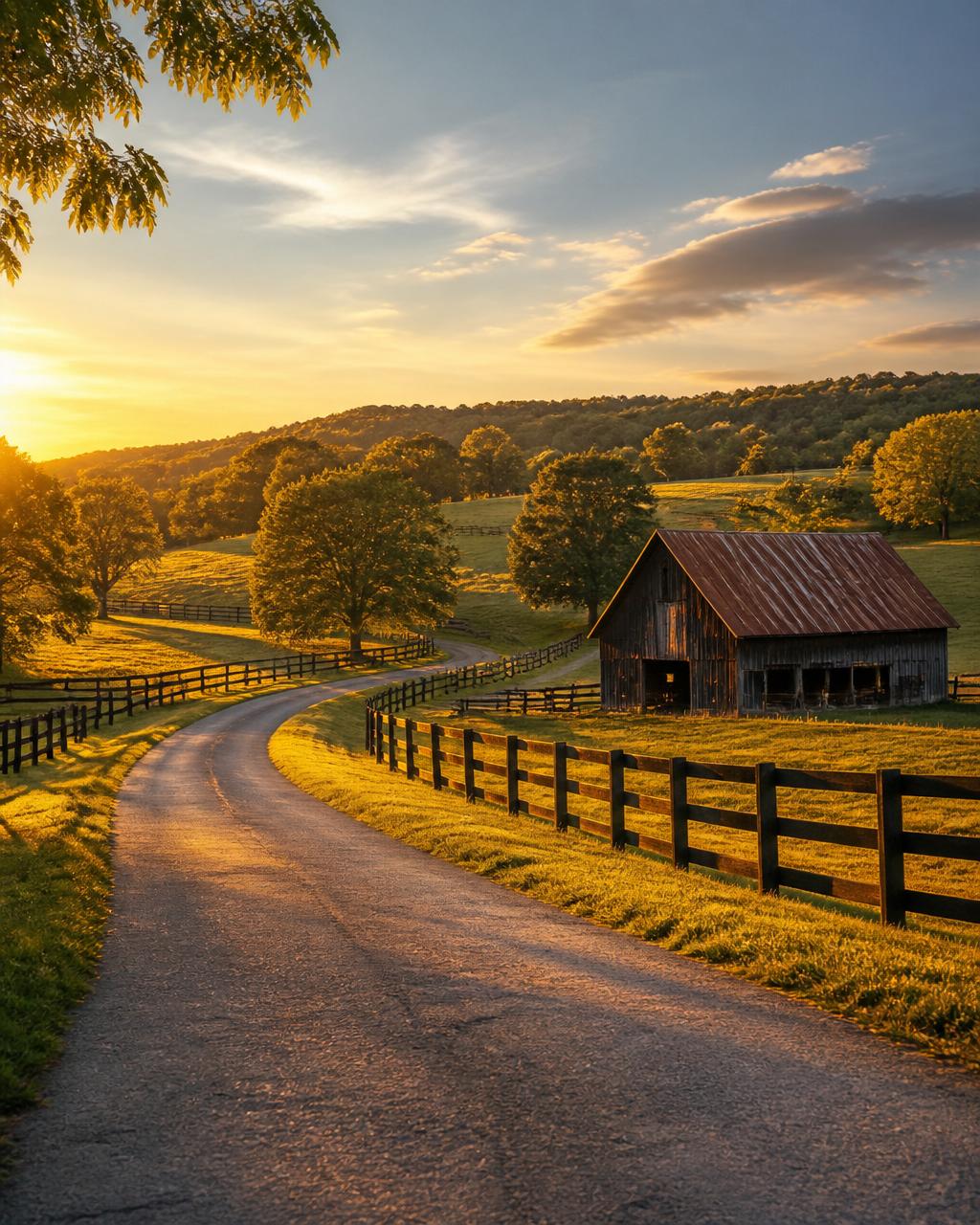
Leiper's Fork.
A village of galleries, barns, and discreet wealth.
Leiper's Fork is a village in name and a state of mind in practice — a crossroads of arts, agriculture, and some of the most beautiful farmland in Williamson County.
Read the market →Four ways to work with Mike.
Pick the one that fits — a quick call, a full consult, a pre-qualification intro, or a private valuation of your property.