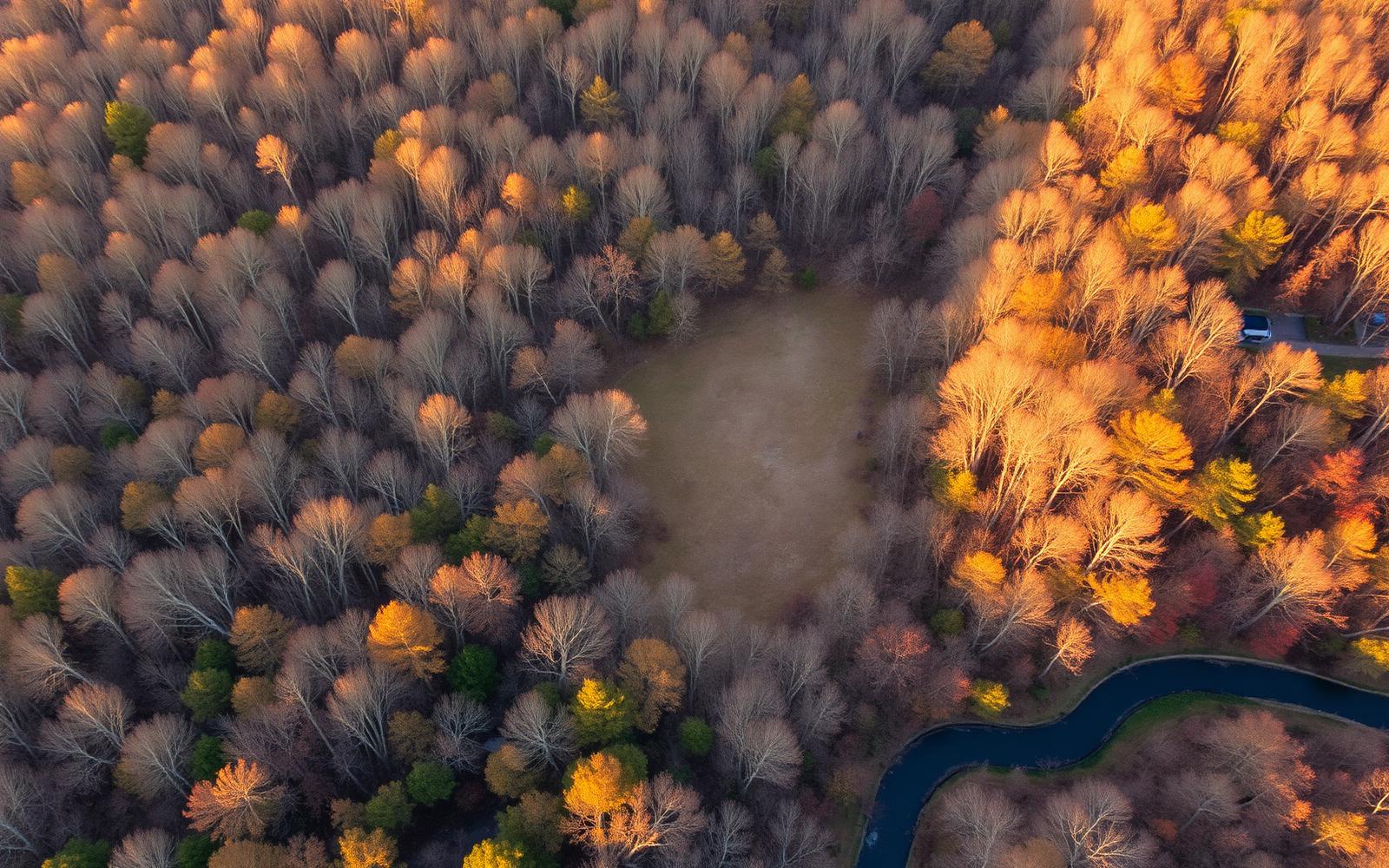
Search 'land for sale in Tennessee' and you'll get thousands of results, from ten-acre hunting tracts in Perry County to fifty-acre estate parcels in Williamson. The listings look similar. The land isn't. Middle Tennessee, in particular, has some of the most varied dirt in the country — limestone bluffs, river bottoms, cedar glades, hardwood hollows, and rolling pasture — often within the same county. This guide is the version I walk clients through before they write an offer on a single acre.
Start with what you're actually going to do with it. A recreational tract, a homestead, a build site, a working farm, and a legacy investment parcel all get evaluated differently. The 40 acres that make a beautiful hunting property might be unbuildable. The 5 acres perfect for a modern farmhouse are wasted on cattle. Write down your use case first; the checklist below flexes to match.
Perc test — the single most important number. If you plan to build, everything starts with soil. Most of rural Middle Tennessee is on septic; a parcel that won't perc is a recreational lot, not a home site, and priced accordingly. Ask the seller for the current perc on file with the county health department. If none exists, make the sale contingent on one at your expense — a soil scientist runs $400–$800 and answers the question in a week. In the karst limestone belt (Maury, Marshall, Giles), passing rates are lower than most buyers expect.
Water — well depth, springs, and creeks. Tennessee well depths vary from 80 feet in a good hollow to over 400 in the wrong spot. A dry hole is $8,000–$15,000 with nothing to drink. Before you close, call two local drillers and ask about wells within a mile. If the parcel has a year-round spring or creek, it's worth 15–25% more — but note that Tennessee's Water Quality Act regulates damming, diverting, or filling any waterway, so read the rules before you plan a pond.
Road frontage vs. easement. Frontage on a county-maintained road is a legal, permanent right. An easement across a neighbor's land is a private agreement that a future owner can dispute. Pull the deed, look at the recorded plat, and drive every foot of the access yourself. If the access is an easement, get a title attorney to read it before you sign.
Utilities — the hidden cost of remote land. Power at the road is easy. Power 800 feet from the road can be $12,000+ to trench. Fiber internet is now common in Williamson, Maury, and Hickman counties thanks to co-op buildouts, but it's not everywhere yet — check with United Communications, Ben Lomand, or the local co-op before you assume a work-from-home setup will work. No cell signal is common in the hollows; a booster and starlink solve it, but budget accordingly.
Zoning and county rules. Most of rural Middle Tennessee has no formal zoning, which is both a blessing and a hazard. You can put a shop before a house. So can your neighbor put a hog farm on their side of the fence. Williamson County has strict rules; Hickman, Lewis, and Perry have almost none. Read the county's setback, outbuilding, and subdivision rules before you close — they decide what you can actually build.
Timber and mineral rights. If the previous owner sold the timber last spring, the parcel might be worth $30,000–$60,000 less than the comps suggest. If the mineral rights were severed generations ago, another party can, in theory, drill. A deep title search catches both — ask for one that goes back further than the last transfer.
Rough price benchmarks by county (mid-2026). Williamson: $50,000–$150,000+ per acre near Franklin, dropping to $25,000–$60,000 south of Leiper's Fork. Maury: $15,000–$35,000 per acre for improved parcels near Columbia and Spring Hill. Hickman: $6,000–$15,000 per acre for wooded acreage; $18,000+ for cleared building sites. Lewis (Hohenwald): $4,000–$10,000 per acre; premium for creek frontage. Perry and Wayne: $3,000–$8,000 per acre for larger tracts. Benton (Camden / Kentucky Lake): $8,000–$25,000 per acre; waterfront runs multiples of that. These are ranges — the parcel next door can be double or half depending on the checklist above.
Financing land is different. Most banks won't do a traditional mortgage on raw land. Farm Credit Mid-America, First Farmers, and a handful of local banks specialize in it — expect 20–25% down and a shorter amortization than a home loan. If you're planning to build within 12 months, ask about a construction-to-permanent loan instead; the interest picture is usually better.
Walk it. Twice. Once in the morning, once mid-afternoon. Look at the aspect (south-facing slopes grow gardens; north-facing don't). Notice where water pools after rain. Find the corners — hire a surveyor if pins aren't obvious. Talk to a neighbor if one is home. In fifteen minutes a neighbor will tell you more about a parcel than any inspection.
Land is the best long-term investment I know of in Middle Tennessee. It rewards patience and punishes assumption. Take the extra two weeks. Ask the boring questions. The dirt isn't going anywhere.
If you're looking at a specific parcel and want a second set of eyes, call or text me at 310-872-8731. I'll pull the deed, the plat, and the county records before we walk it together.