Belle Meade is technically a city — its own municipality, its own police force, its own zoning — surrounded on all sides by Nashville. It has about 2,900 residents and a median home value that rounds up to $2 million. To understand how that happened, you have to start with a horse farm.
John Harding bought the original 250 acres in 1807. His son, William Giles Harding, expanded it to over 5,400 acres and turned Belle Meade Plantation into the most important thoroughbred nursery in America. Iroquois, the first American-bred horse to win the English Derby, was foaled here in 1878. For four decades, the bloodlines that ran through Belle Meade defined American racing.
The plantation broke up in 1906. After Prohibition, agricultural depression, and the death of the last Harding heir, the land was sold to a syndicate that platted it into large residential lots. The developers had a specific buyer in mind: Nashville's industrial families — the Cheeks, the Frists, the Ingrams — who wanted country estates within a carriage ride of downtown.
The city incorporated in 1938. That decision, made by the residents themselves, is why Belle Meade looks the way it does today. As its own municipality it wrote its own zoning: minimum one-acre lots along most streets, deep setbacks, no commercial development, no apartments. It has held those rules for nearly 90 years.
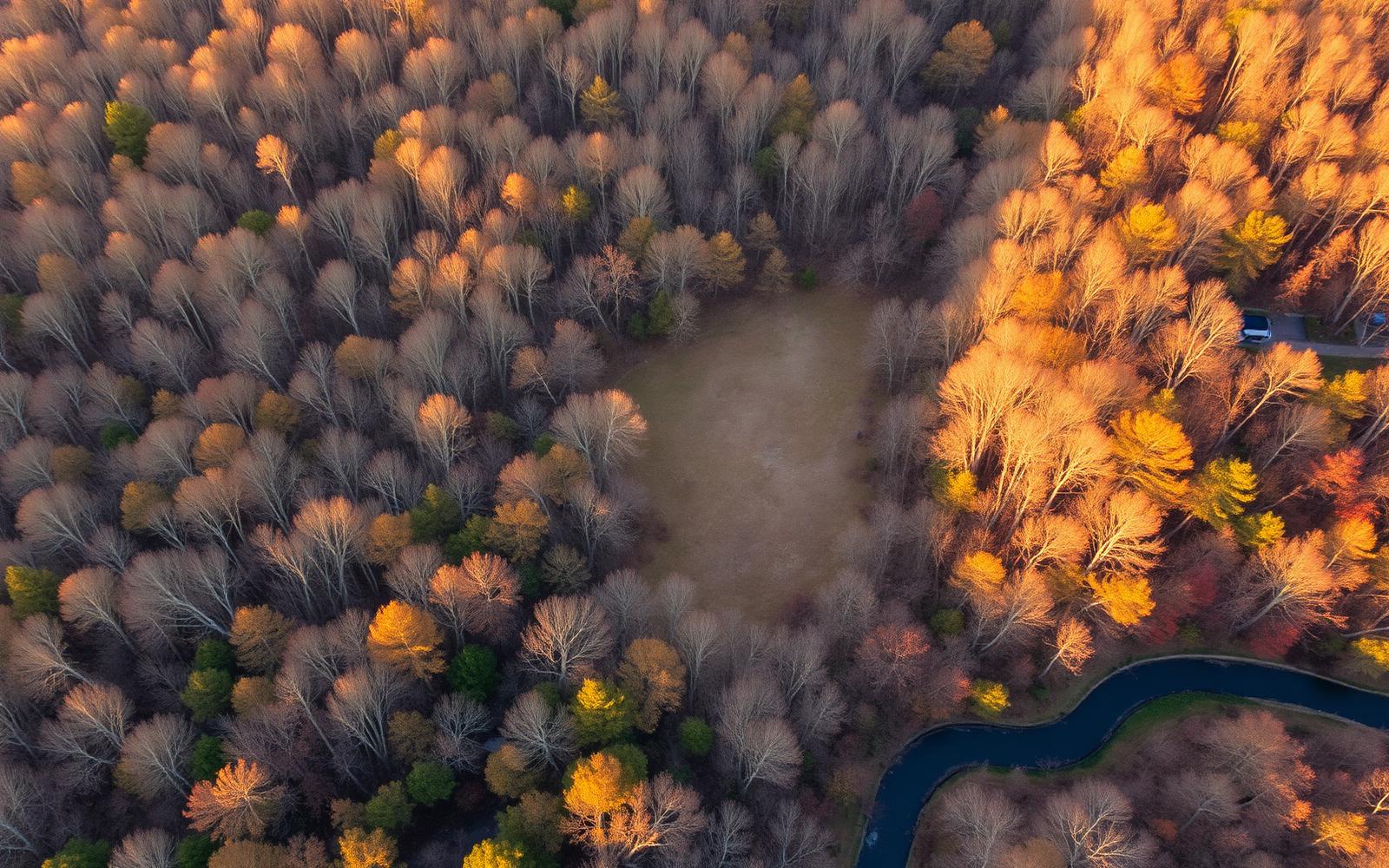
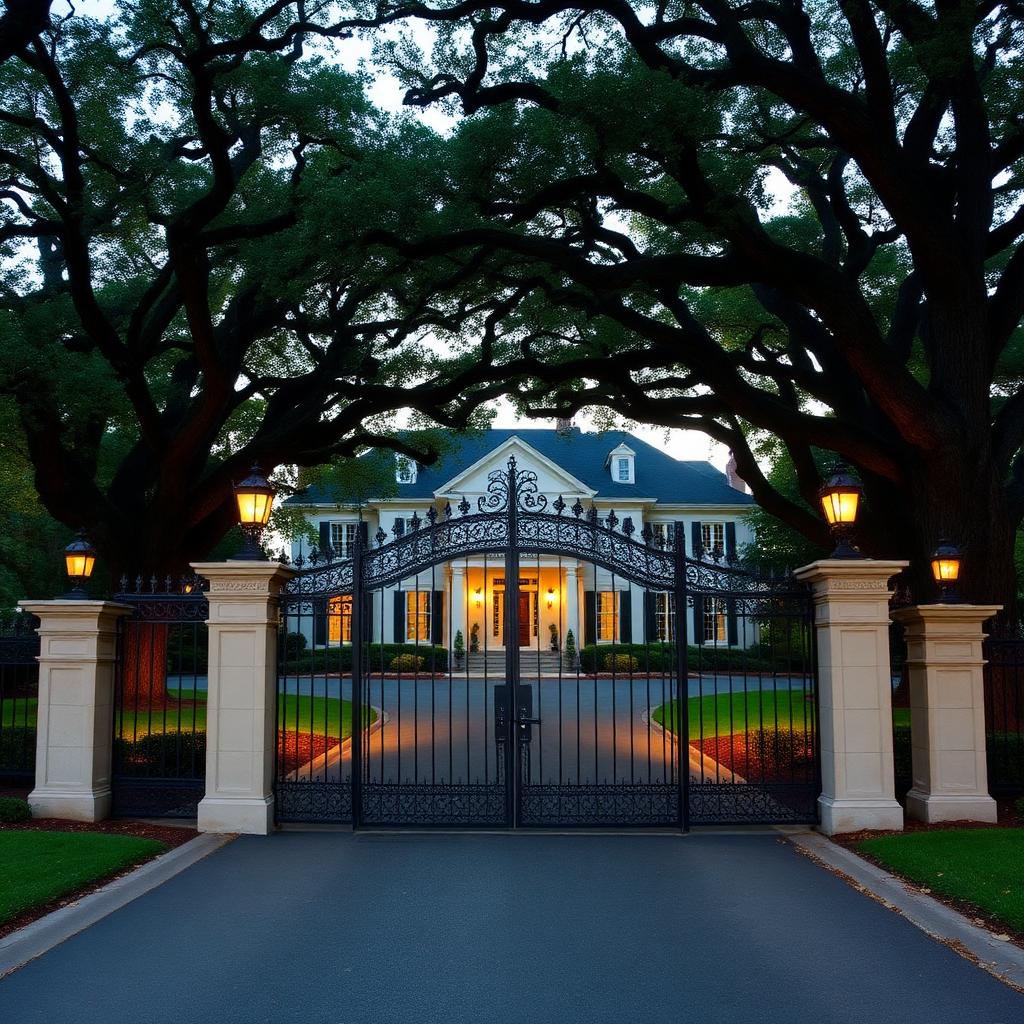
What lives inside it. The Belle Meade Country Club — founded 1901, still one of the most exclusive in the South. The original plantation mansion, preserved as a museum. Percy Warner Park at the southern edge, 3,100 acres of protected land. And a housing stock that ranges from restored Georgian and Colonial Revival estates to the occasional teardown-and-rebuild that clears $8M–$15M when it's done right.
Current market. The median list price sits around $3M; anything on Belle Meade Boulevard, Chickering Road, or Jackson Boulevard regularly trades in the $5M–$12M range. True estate properties — 3+ acres with a period home — are almost never publicly listed and change hands through a small circle of agents who know the city.
Why it stays what it is. Belle Meade has no incentive to grow. It doesn't need commercial tax base; the residential values carry it. It can't be annexed by Nashville because it's already a city. And the neighbors have proven, decade after decade, that they will vote to preserve exactly what they have.
If you're exploring Belle Meade — as a buyer, a seller, or someone trying to understand a very particular real estate market — I'd be glad to walk you through it. Call or text 310-872-8731.